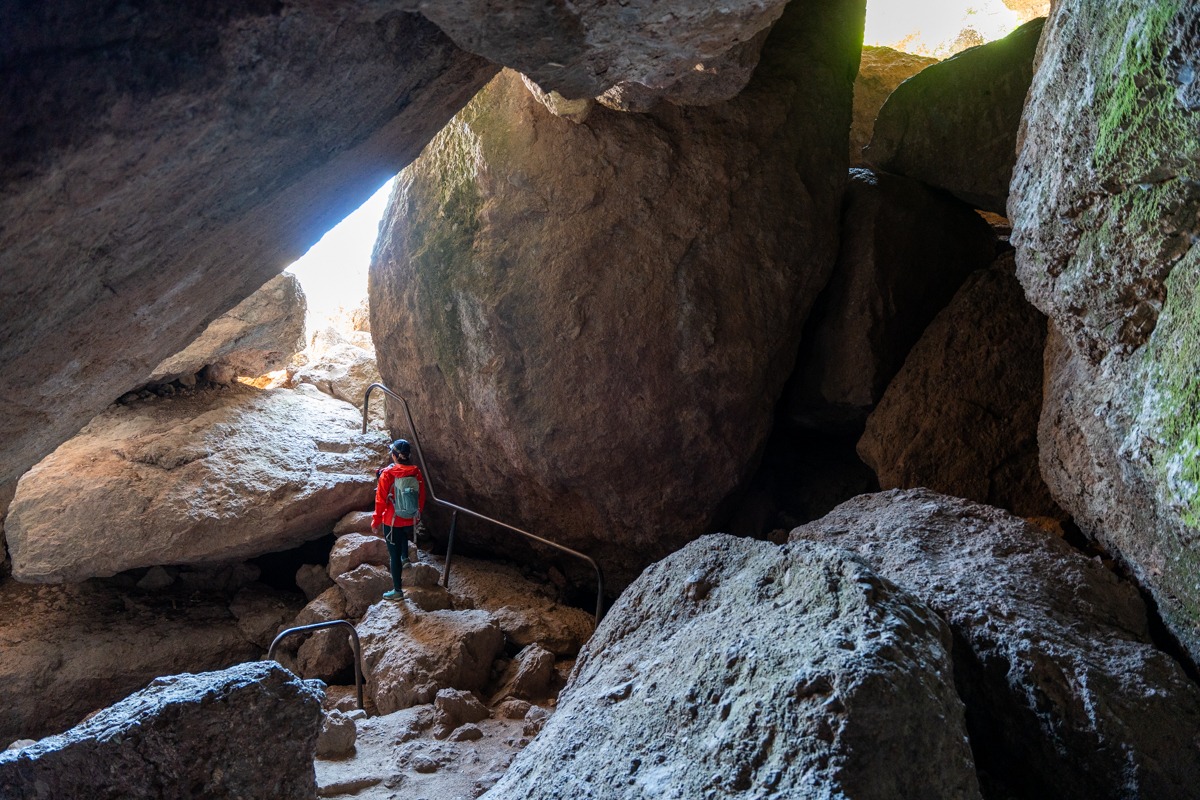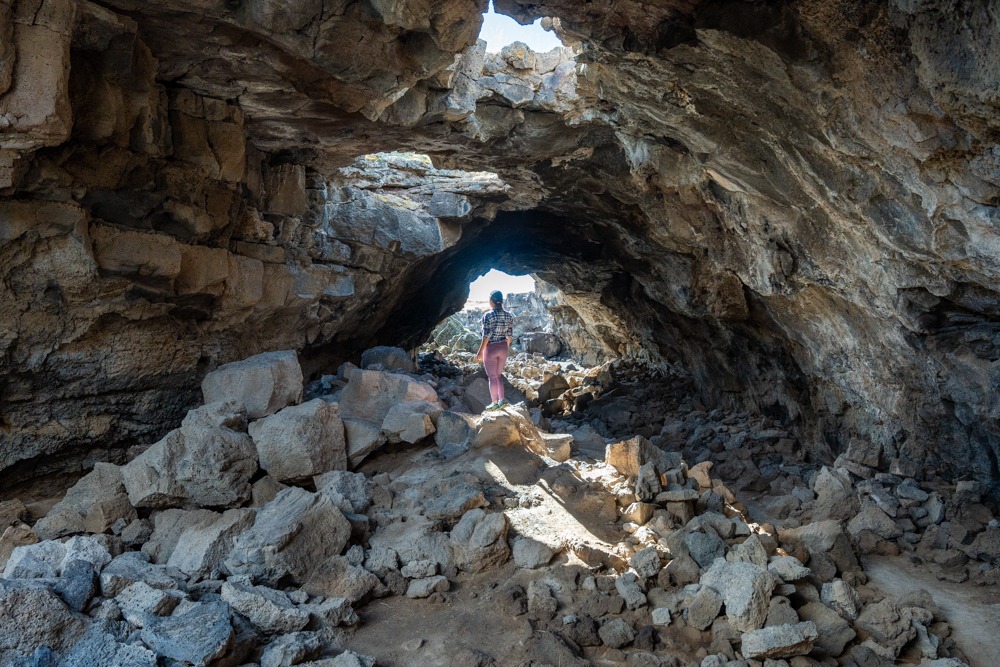

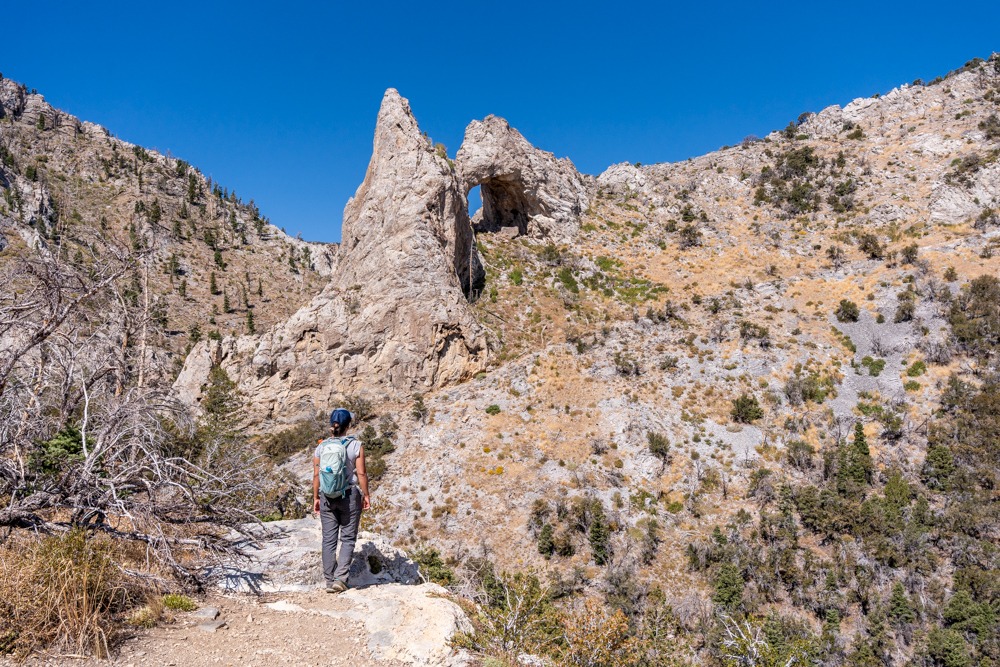



Lexington Arch is an impressive, 6-story-tall limestone formation that perches on the hillside above Lexington Creek in the northern edge of the Great Basin National Park, Nevada. What makes the Lexington Arch unusual is the fact that it is carved from limestone, unlike most natural arches and bridges in the western United States, which are composed of sandstone. Since this arch is located in a remote area, away from all the main attractions of Great Basin National Park, such as Lehman Cave and Wheeler Peak Glacier area, it is a perfect trail for those who want some solitude and adventure.
Lexington Arch Trailhead
38.851543, -114.177591
Turn for Lexington Arch dirt road
38.874682, -114.003626
There is a decent-sized dirt lot in front of the trailhead.
There is NO FEE to enter the Great Basin National Park
No restroom
5.54 miles R.T.
1,263 ft
Moderate
Takes an average 3-4 hours
Dogs are welcome, but must be on a leash
You can do this hike year-round. However, in the summer, make sure to start VERY early. The trail is fully exposed, and it can get very hot. In the winter, there might be snow.
The Lexington Arch is located in a remote and rugged area of the Great Basin National Park. The dirt roads to the trailhead are unmaintained. Therefore, make sure to be prepared for rugged terrain, bring lots of water and enough food, just in case. Also, weather conditions can change fast, so be prepared for all types of weather, including rainstorms, heat, and snow. Even though it is not required, we recommend bringing a high-clearance vehicle.
It is about 1 mile from the new trailhead to the old trailhead for Lexington Arch. This first mile or so can be a bit disorienting, especially if you’re not used to navigating the remote trails. We recommend downloading the Alltrail map, just in case. If you don’t have their Plus plan, we highly recommend it.
Once we left the parking area, we followed the remnants of the old road. The Lexington Arch trail weaves between sections of the old road, a dry riverbed, and an intermittent trail segments that occasionally jump from one side of the road to the other. There are minimal to no shades along the trail, so it can get very warm. We recommend doing this hike early in the morning. Along the way, red trail markers and some rock cairns mark the trail. They are far in between so make sure to keep an eye out for them.
After 1 mile or so, you’ll reach the site of the old trailhead. Although when we went, we couldn’t see anything left that signified the old trailhead. Once here, the trail becomes a lot clearer, well-defined, and easy to follow. You’ll also start your climb of more than 1,000ft through a series of switchbacks. From the trail, we could see the Lexington Arch tucked away in the shadow of the mountain on the right-hand side. Even though it looks close, it’s actually so far away.
The switchbacks are fully exposed and relentless. They were especially hard in the looking heat. Even at 8 am, the temperature had already reached 85 degrees. It was a good thing that I brought a small umbrella. We also brought a lot of water. Besides the steepness, this part of the Lexington Arch trail is well-maintained, and the grade is steady. So, although it was demanding, it was manageable for us at a slow pace.
Near the end of the ascent, we could see the Lexington Arch across the valley. Once we got closer, there was a bench, perfectly positioned to take in the spectacular view of the Lexington Arch. As we mentioned above, the Lexington Arch is unusual because it’s formed from limestone. The imposing natural arch, rising high above the canyon floor of Lexington Canyon, was created by the forces of nature, working slowly over centuries. There are a couple of theories of how this arch was created. Because it was made of limestone, one of the leading theories is that the Lexington Arch was once a passage in a cave system. At the base of the opening, flowstone (a smooth, glossy deposit that forms in caves) has been found. This discovery lends support to the theory that it is part of a cave system.
Another theory believes that the Lexington Arch is actually a natural bridge. While an arch is formed by the forces of weathering, such as ice or wind, a natural bridge is formed instead by the flowing of water of a stream. A long time ago, it was possible that Lexington Canyon used to be shallower. So, the waters of Lexington Creek flowed through a cave in the wall of the canyon, which enlarged the tunnel and created Lexington Arch. Whichever theory it was, one thing for certain: the Lexington Arch is definitely a sight to behold.
Now, once you reach the bench, many people might attempt to turn back. However, we recommend hiking further to the base of the arch itself. To do so, follow the trail to continue further. The Lexington Arch trail leads down the hill, crosses over to the other side of the canyon, and then zigzags back up. This stretch is about 0.25 miles. It is a lot steeper than what you’ve been through so far. The trail is well-defined, although it can be a bit slippery. As long as you watch your steps, you should be fine.
The view from the top is breathtaking. It’s also very windy up here. It was a welcoming change from the heat below. From up here, you can see the arch up close and look down to the canyon below. The scenery is really worth it! When you’re done, head back the same way.
If you love natural arches, check out the Hickman Bridge in Capitol Reef. We also love the Natural Bridge in Death Valley National Park, Phipps Arch in Escalante, and Liberty Bell Arch in Arizona. And if you haven’t been to Alabama Hills, this area has tons of cool arches! If you’re looking for more spectacular hikes in the Great Basin, check out Bristlecone to Glacier.
Happy Adventuring. Don’t forget to check out the related posts below for more inspiration on your upcoming adventures. While at it, follow us on Instagram and subscribe to our YouTube channel! We’ll love you forever!
These are the gear that we personally use and find helpful for this particular adventure. Don’t forget to check out our Recommended Gear section as well.


Our favorite biodegradable, eco-friendly, reef-safe sunscreen!


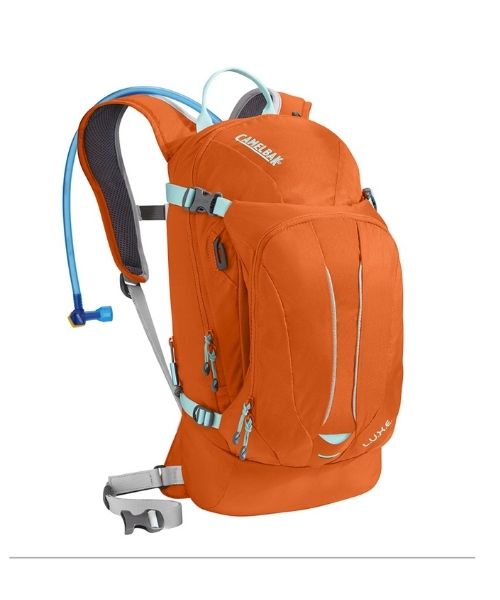
This is Vy's favorite hiking bag! It has tons of room for snacks and water!
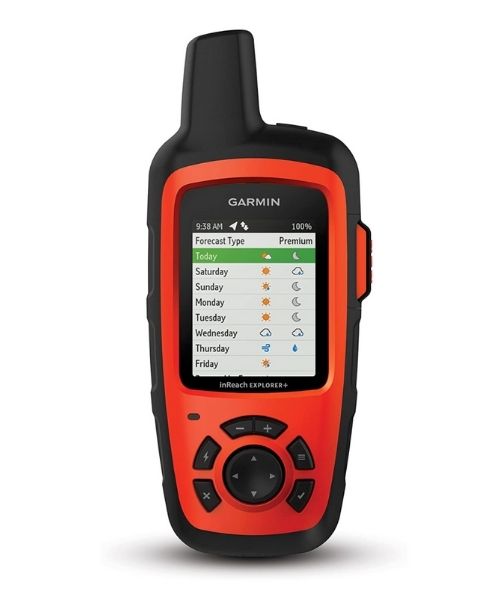
It's always good to bring a GPS tracker with you. We use the Garmin inReach.
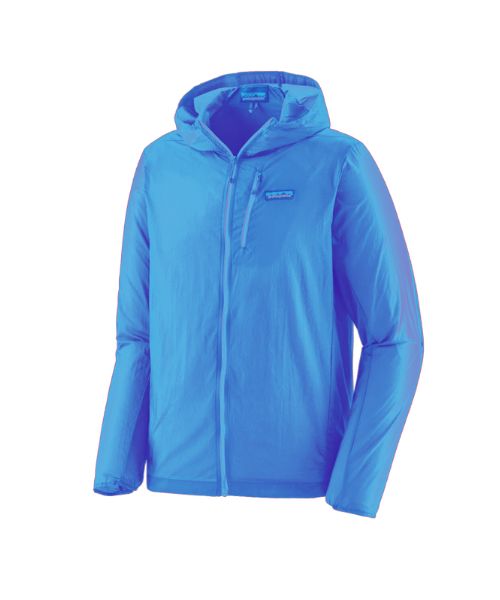
This jacket is packable into a super small and light little ball. Perfect for when you just need a little…
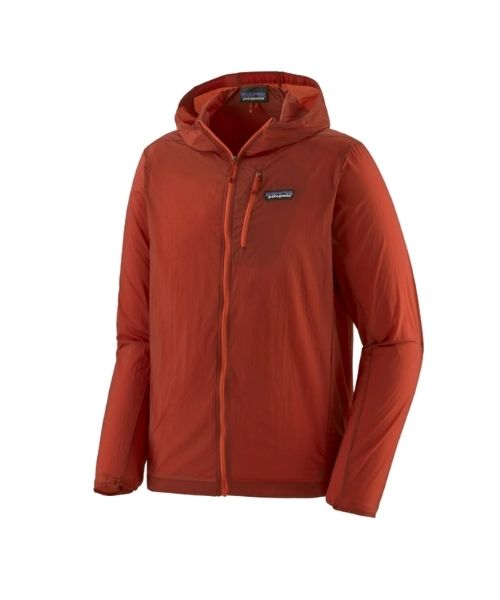
This jacket is packable into a super small and light little ball. Perfect for when you just need a little…
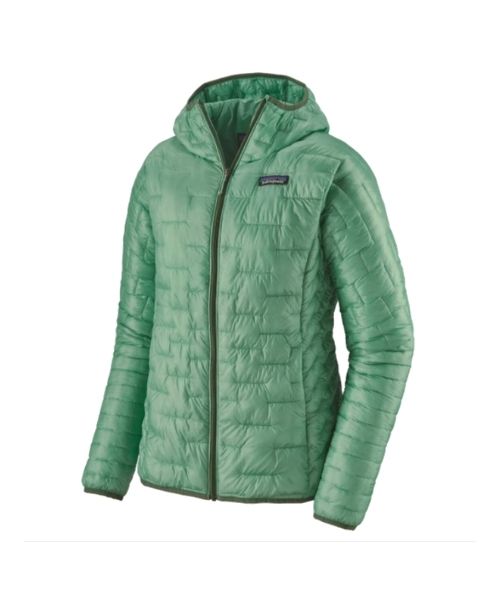
Our favorite hiking/travel jacket. It's warm and packable, perfect to bring on a hike or a road trip.
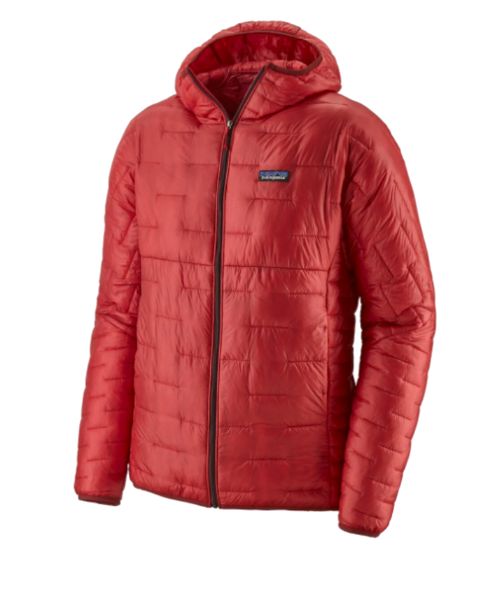
Our favorite hiking/travel jacket. It's warm and packable, perfect to bring on a hike or a road trip.

If you tend to have foot blisters on hikes, get this! We use this all the time.
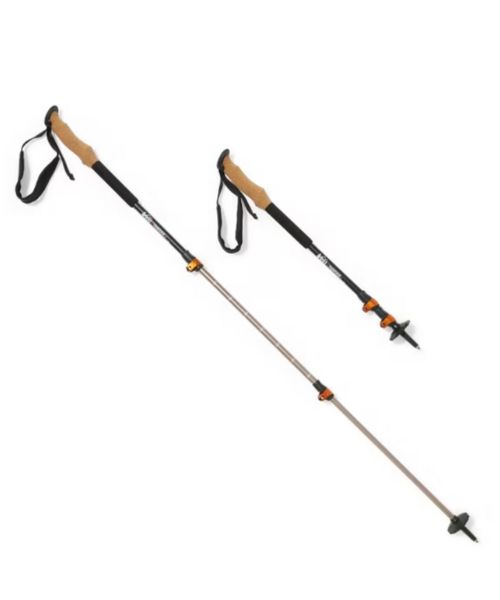
These hiking poles are sturdy, and great to help keep your balance on short or longer hikes


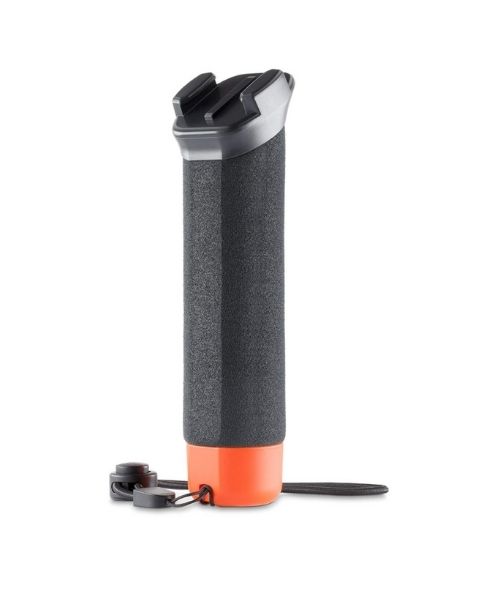

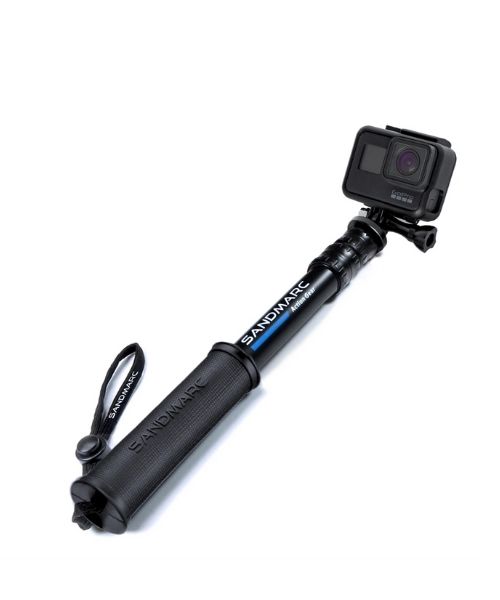
Compact GoPro pole that extends to 25", perfect to bring on your adventure.

This is our go-to camera for all of our adventures. It comes with us everywhere!

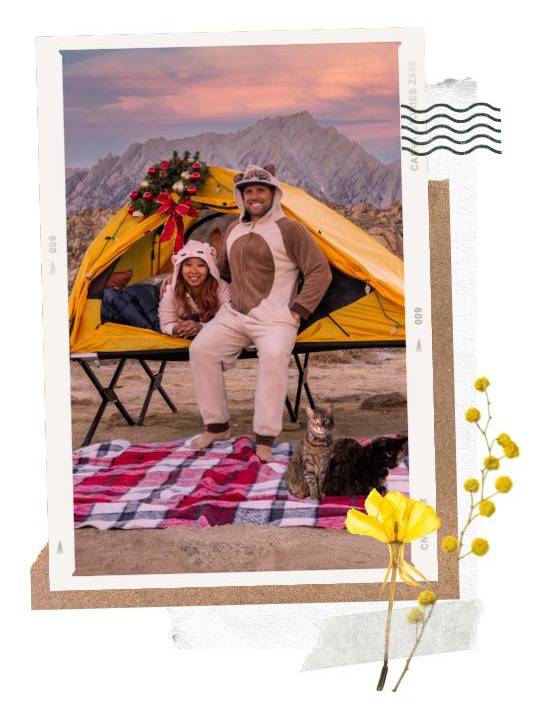
Nice to meet you!
Hi! We are Dustin & Vy, the proud creators of Live That Adventure. We created this website because we wanted to inspire others to live their lives to the fullest. On here, you’ll find everything from hiking, canyoneering, kayaking, and snorkeling to adventure and travel tips, gear reviews, and bucket list items such as bungee jumping or wing walking. We’ll show you the ropes so you can do them too!
Subscribe
Get our best adventure tips, guides and more send to you!